

Table of Contents
The world of competitive gaming has grown far beyond people playing video games for entertainment. Today, players train seriously, teams develop advanced strategies, tournaments attract global audiences, and gaming creators build careers through streaming, coaching, analysis, and content production. Within this changing environment, gaming eTrueSports has become a search term used by readers looking for gaming news, esports insights, tournament information, technology updates, and practical guidance.
The phrase is closely connected with the eTrueSports website, which describes itself as a blog covering esports, gaming, entertainment, technology, and related topics. Its website includes sections for gaming news, FIFA, Genshin Impact, technology, codes, applications, and general digital content. This means gaming eTrueSports should primarily be understood as a branded gaming-information topic rather than the confirmed name of one particular video game, official league, or universally recognized esports organization. (Etruesports)ailed guide explains what the keyword means, what readers can expect from eTrueSports gaming content, how competitive gaming works, and how players, fans, creators, and brands can benefit from reliable esports information.
What Is Gaming eTrueSports?

Gaming eTrueSports refers to gaming and esports-related content associated with the eTrueSports name. It brings together topics such as competitive video games, tournament results, player development, gaming hardware, streaming, game updates, digital communities, and the technology supporting modern esports.
The official eTrueSports website presents itself as a blog rather than a clearly documented game-development company or official esports governing body. It publishes articles across numerous categories, including esports, gaming news, FIFA, Genshin Impact, technology, codes, and mobile applications. This broad content structure suggests that the main purpose of gaming eTrueSports is to inform and entertain readers interested in gaming culture. (Etruesports)es published under the eTrueSports name describe competitive systems involving ranked matches, leagues, account verification, standardized rules, and transparent results. However, readers should distinguish between editorial descriptions and independently verified platform services. A trustworthy approach is to view the website as a gaming-content destination unless a specific product, app, event, or service is supported by official documentation. (Etruesports)standing the Search Intent Behind Gaming eTrueSports
People searching for gaming eTrueSports may have different goals. Some want to locate the official website or find its gaming category. Others are searching for tournament coverage, game reviews, updates, esports technology, or advice about becoming a competitive player.
The keyword therefore combines informational, navigational, and limited transactional intent. Informational users want to understand the subject. Navigational users want to reach a particular eTrueSports page. Transactional users may be researching gaming equipment, competitions, codes, applications, coaching, or other gaming-related services.
A strong article must satisfy these different needs without pretending that every visitor wants the same thing. New gamers may need basic definitions, while experienced players may be more interested in team strategy, competitive integrity, hardware performance, and career opportunities.
The broad nature of gaming eTrueSports also means readers should examine the purpose of each individual page. An article discussing gaming news serves a different need from a hardware review, tournament guide, or promotional-code page.
Main Areas Covered by Gaming eTrueSports
The content surrounding gaming eTrueSports reaches across several connected areas of the digital gaming ecosystem. It is not limited to match results or professional teams. It can also include entertainment, technology, game strategy, mobile play, online communities, and streaming culture.
| Content area | What readers may find | Main benefit |
| Gaming news | Releases, patches, updates, and industry developments | Helps players stay informed |
| Esports coverage | Events, teams, results, and competitive analysis | Provides context around professional play |
| Game guides | Characters, builds, strategies, and mechanics | Supports skill development |
| Gaming technology | Hardware, software, applications, and accessories | Helps readers understand performance tools |
| Streaming content | Broadcasting, audiences, and creator strategies | Supports content creators and communities |
| Codes and rewards | Promotional codes and in-game redemption guidance | Helps players find available digital benefits |
| Mobile gaming | Smartphone games, apps, and portable competition | Serves players without traditional consoles |
| Gaming culture | Communities, entertainment, trends, and digital behavior | Explains how gaming influences modern media |
The eTrueSports website currently maintains broad category coverage that includes gaming, gaming news, technology, codes, FIFA, Genshin Impact, and applications. This confirms that its editorial scope extends beyond traditional esports reporting. (Etruesports)ers, this variety can be helpful, but it also makes careful navigation important. A wide content library does not guarantee that every page has the same level of research, expertise, or editorial review.
How Competitive Gaming Differs From Casual Play

One of the main subjects connected with gaming eTrueSports is the difference between casual gaming and organized esports. Casual players usually play for relaxation, social interaction, exploration, or personal enjoyment. Competitive players focus more heavily on performance, rankings, teamwork, and measurable improvement.
In organized competition, game settings are normally standardized so that players compete under similar conditions. Match rules may define eligible players, permitted equipment, map selection, server location, scoring, disconnections, substitutions, and penalties.
Competitive gamers also approach practice differently. Instead of simply playing more matches, serious players review mistakes, study opponents, test strategies, improve communication, and practice specific mechanical skills.
The pressure is also different. A casual mistake may be quickly forgotten, while one error in a tournament can affect an entire team. For this reason, gaming eTrueSports content becomes more useful when it explains preparation, decision-making, teamwork, and emotional control rather than focusing only on winning.
Popular Game Categories in the eTrueSports Gaming Ecosystem
Competitive gaming includes many genres, and each requires a different combination of skills. Gaming eTrueSports readers may encounter coverage of shooters, sports simulations, strategy games, battle royales, fighting games, mobile titles, and multiplayer online battle arenas.
First-Person and Tactical Shooters
Shooter games demand fast reactions, precise aiming, map awareness, positioning, and communication. Tactical shooters also reward patience, economic management, information sharing, and coordinated team movement.
Mechanical skill is important, but the strongest players do more than aim accurately. They understand timing, predict enemy behavior, control useful areas, and communicate without distracting teammates.
Multiplayer Online Battle Arenas
Multiplayer online battle arena games require teams to manage objectives, resources, character roles, and rapidly changing fights. Matches often involve detailed knowledge of abilities, item choices, map control, and team composition.
Because updates can change character strength and strategic priorities, players must continue learning. This is why patch explanations and meta analysis are valuable parts of gaming eTrueSports coverage.
Sports and Racing Games
Sports simulations attract players who enjoy football, basketball, racing, and other familiar competitions in digital form. Success requires both game-specific skill and an understanding of the sport being represented.
These games can also make esports easier for traditional sports fans to understand because the objectives, scoring systems, and visual presentation already feel familiar.
Battle Royale and Survival Games
Battle royale titles combine combat, movement, resource management, positioning, and survival. Players must make decisions with limited information while the playable area becomes smaller.
Winning consistently requires more than aggressive play. Strong competitors know when to fight, when to move, when to conserve resources, and how to manage risk.
Tournaments, Rankings, and Competitive Formats
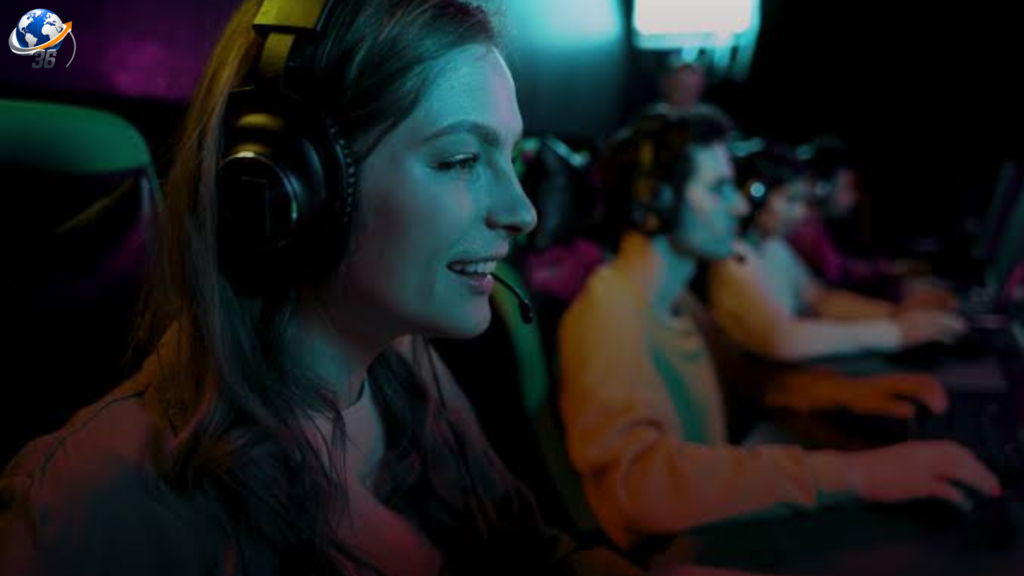
Tournament structures are an important part of gaming eTrueSports because they determine how players progress and how winners are selected. Different formats create different competitive experiences.
| Competition format | How it works | Main advantage | Possible limitation |
| Single elimination | One loss removes a player or team | Fast and easy to understand | One bad match can end the event |
| Double elimination | Participants must usually lose twice | Provides a second opportunity | Takes longer to organize |
| Round robin | Every participant plays multiple opponents | Produces a broader performance record | Requires more matches |
| Swiss system | Players face opponents with similar records | Efficient for large fields | Can be confusing for new viewers |
| League season | Teams play scheduled matches over time | Rewards consistency | Requires long-term commitment |
| Open qualifier | Any eligible player or team may enter | Creates an accessible path to competition | Early rounds may vary in quality |
| Invitational | Organizers select participants | Can attract famous teams | Offers fewer opportunities for newcomers |
Some eTrueSports articles describe leagues, ranked ladders, tournaments, and structured progression as central themes within competitive gaming. These descriptions reflect common esports ideas, although readers should verify the official rules and organizers of any specific event before registering or making payments. (Etruesports) tournament information should clearly state the organizer, game title, eligibility requirements, dates, rules, prize distribution, privacy policy, and dispute process. Missing information should be treated as a warning to investigate further.
Fair Play and Competitive Integrity
Fair competition is essential to the credibility of gaming eTrueSports and the wider esports industry. Players, teams, sponsors, and audiences need confidence that match results reflect genuine skill rather than cheating or manipulation.
Competitive integrity involves more than anti-cheat software. It also includes clear rules, identity verification, secure equipment, trained officials, transparent penalties, conflict-of-interest policies, and reliable reporting procedures.
The Esports Integrity Commission says its mission includes preventing, investigating, and prosecuting cheating, match manipulation, doping, and other threats to esports integrity. Its guidance also emphasizes transparent game settings, anti-cheat systems, regular reviews, and clear processes for resolving match problems. (esic.gg)ntegrity concerns include unauthorized software, account sharing, stream sniping, match fixing, ghosting, hardware manipulation, and deliberately exploiting prohibited bugs. ESIC’s code of conduct specifically identifies methods such as aim assistance, map hacks, ghosting, and external software used to gain an unfair advantage. (esic.gg)ming eTrueSports** guide discussing competition should therefore encourage players to read the complete rulebook rather than relying on assumptions from ordinary ranked matches.
Gaming Hardware and Performance
Hardware can influence the competitive experience, but expensive equipment does not automatically create a skilled player. Gaming eTrueSports readers should understand which upgrades genuinely improve comfort, stability, and responsiveness.
A reliable computer or console should run the chosen game smoothly under tournament conditions. Frame-rate drops, overheating, background applications, and unstable internet connections can make consistent play difficult.
Monitors matter because display refresh rate, response behavior, resolution, and size can affect how motion appears. Research into first-person-shooter aiming has found small performance differences associated with display size, although monitor choice interacts with resolution and viewing distance. (arXiv)table mouse, keyboard, controller, headset, chair, and desk can reduce distraction during long sessions. However, players should avoid buying products only because a professional competitor uses them. Body size, grip style, game genre, personal preference, and budget all matter.
For most players entering gaming eTrueSports, a stable connection, consistent frame rate, clear audio, and comfortable controls provide more value than decorative lighting or unnecessarily expensive accessories.
Training and Skill Development
Improvement in competitive gaming is rarely the result of endless unstructured play. Effective gaming eTrueSports training focuses on specific weaknesses and creates repeatable habits.
A player may need to improve aiming, movement, map knowledge, resource management, communication, reaction time, or decision-making. Trying to fix everything at once usually leads to frustration.
Replay review is one of the most valuable training methods. Watching recorded matches allows players to identify poor positioning, unnecessary risks, missed information, and repeated tactical errors. Research has also explored synchronized game, sensor, video, and telemetry data as a way to improve esports performance analysis. (arXiv)ctice should include communication standards. Players need short, accurate calls that provide useful information without creating noise. A team may have talented individuals and still fail because its members react differently to the same situation.
Healthy practice also includes rest. Long sessions can create fatigue, slower decisions, irritability, and careless mechanics. Consistent improvement requires focused training rather than treating exhaustion as proof of commitment.
Streaming, Content Creation, and Audience Growth
Streaming has transformed gaming from a private activity into a highly interactive form of media. Within gaming eTrueSports, players can become competitors, presenters, educators, entertainers, analysts, or community leaders.
A successful stream needs more than strong gameplay. Viewers also respond to personality, clear communication, reliable scheduling, useful commentary, and respectful interaction.
New creators often worry too much about expensive cameras, microphones, overlays, and studio lighting. Basic production quality is important, but audiences usually stay because the content gives them a reason to return.
Educational creators can explain strategies, patch changes, character builds, and match decisions. Entertaining creators may focus on challenges, reactions, humor, or community games. Competitive players can stream practice, tournament preparation, and ranked progression.
The eTrueSports website itself describes gaming journalism as a way to provide context around strategies, player stories, and the forces shaping the industry. This shows why gaming eTrueSports content should move beyond simple headlines and offer interpretation that helps audiences understand why an event matters. (Etruesports)g Communities and Social Interaction
Gaming communities are central to gaming eTrueSports because players rarely develop in complete isolation. Teams, forums, social platforms, streaming chats, and local gaming centers can provide support, advice, competition, and friendship.
A healthy community helps beginners ask questions without embarrassment. It also creates opportunities for experienced players to coach, organize events, moderate discussions, and discover teammates.
However, online gaming spaces can also become hostile. Harassment, discrimination, personal attacks, and unhealthy rivalries damage both individual well-being and the reputation of competitive gaming.
Clear moderation rules are therefore important. Tournament organizers and community managers should explain unacceptable behavior, provide reporting systems, and apply rules consistently.
Players also have personal responsibility. Competitive intensity does not justify abuse. Respectful communication creates better teams, stronger events, and a more welcoming path into gaming eTrueSports for new participants.
Career Opportunities in Gaming eTrueSports
Professional competition is only one possible career within the gaming industry. Gaming eTrueSports can connect readers with a wider ecosystem involving content, events, technology, marketing, education, and community management.
Players with elite ability may pursue professional teams, tournament prizes, sponsorships, or coaching. However, professional playing careers can be uncertain, and only a small portion of competitors reach the highest level.
Other opportunities include broadcasting, event production, video editing, graphic design, social media management, journalism, game analysis, statistics, software development, cybersecurity, player management, and partnership development.
A strong gaming career usually combines technical knowledge with transferable skills. Communication, reliability, research, teamwork, budgeting, project management, and audience understanding remain valuable even when a particular game loses popularity.
The increasing recognition of esports within major sporting environments also shows that competitive gaming is becoming more structured. Esports is included as a medal sport at the 2026 Asian Games, while the inaugural Olympic Esports Games are planned for 2027 in Riyadh. (Olympics)wing recognition may create additional opportunities, but readers should still avoid unrealistic promises of quick fame or guaranteed income.
Mobile Gaming and Accessible Competition
Mobile gaming has made competitive play available to people who may not own a gaming computer or console. This accessibility is highly relevant to gaming eTrueSports, especially in regions where smartphones are the primary way people use the internet.
Modern mobile games can support ranked modes, team competition, live events, streaming, and international communities. Players can practice from almost anywhere without investing in a full desktop setup.
Mobile competition still has technical challenges. Device performance, battery temperature, screen size, touch controls, network stability, and software compatibility can affect results.
Tournament organizers may need to standardize devices or define which accessories are allowed. They must also consider whether players are permitted to use controllers, triggers, cooling systems, or external displays.
Mobile gaming should not be treated as an inferior version of esports. It is a different competitive environment with its own skills, audiences, and technical demands. Good gaming eTrueSports coverage should recognize that difference rather than judging all gaming through a PC-only perspective.
Technology Shaping the Future of Competitive Gaming
Technology continues to change how games are developed, played, watched, and analyzed. Gaming eTrueSports increasingly overlaps with artificial intelligence, cloud systems, virtual reality, data analytics, and advanced broadcasting.
Artificial intelligence can support matchmaking, performance review, automated highlights, moderation, and personalized coaching. It can also create problems when used for cheating, impersonation, misleading content, or unfair assistance.
Cloud gaming may reduce the need for powerful local hardware by processing games remotely. However, network delay and service availability remain important concerns for competitive use.
Virtual and augmented reality could create new forms of physical and immersive competition. The Olympic Esports Series has already included virtual versions of sports such as cycling, archery, baseball, and motorsport, demonstrating how digital competition can connect with traditional sporting structures. (Olympics)lytics may also help players understand performance patterns. The challenge is using data to support human judgment rather than replacing experience with meaningless statistics.
How to Use Gaming eTrueSports Content Wisely
Readers should approach gaming eTrueSports as a starting point for discovery. Articles can introduce games, strategies, products, competitions, and industry developments, but important information should be checked against primary sources.
Patch changes should be confirmed through the game developer. Tournament dates should be verified through the organizer. Hardware specifications should be checked with the manufacturer. Codes should be tested only through legitimate redemption systems.
Publication dates also matter. A strategy guide may become inaccurate after a major update. A product recommendation may no longer reflect current pricing or availability. A tournament page may describe an event that has already ended.
Readers should also distinguish editorial content from advertising. A positive review may be useful, but it becomes more trustworthy when the writer explains testing methods, limitations, sponsorships, and alternative choices.
The official eTrueSports website covers a very wide range of subjects. That variety can help readers discover new topics, but each article should be judged by its own evidence and usefulness. (Etruesports)n Risks and Misunderstandings
One frequent misunderstanding is assuming that gaming eTrueSports is the name of a single official game or universally recognized competition platform. The clearest available official description identifies eTrueSports as a blogsite covering esports, entertainment, and related news. (Etruesports)risk is trusting unofficial applications, download pages, codes, or tournament registrations merely because they use a similar name. Brand similarity does not prove that two websites, applications, or services are operated by the same organization.
Users should avoid sharing passwords, payment information, identity documents, or account-recovery codes without confirming who operates the service and why the information is required.
Claims about guaranteed prize money, professional contracts, free premium items, or exclusive access should be examined carefully. Legitimate competitions normally publish clear rules, contact information, privacy terms, and prize conditions.
The best protection is not fear but verification. Gaming eTrueSports can be useful for exploration, while final decisions should rely on official organizers, game publishers, recognized integrity bodies, and secure platforms.
My Opinion on Gaming eTrueSports
In my opinion, gaming eTrueSports is most useful when treated as a broad gateway into gaming and esports culture. The website covers many topics, which can help casual readers discover competitive gaming, popular titles, technology, and digital entertainment.
At the same time, I would like to see stronger separation between editorial reporting, platform descriptions, promotional material, and independently verified services. Some gaming articles use confident language about rankings, verification systems, payouts, and structured competition, but readers need clear evidence showing whether these features belong to an active product or are simply part of a general esports explanation.
A trustworthy gaming publication should name its writers, cite original sources, explain how products were tested, correct outdated information, and clearly disclose sponsorships.
The potential is there. Gaming audiences need accessible explanations that respect their intelligence. If gaming eTrueSports consistently focuses on evidence, transparent authorship, and genuinely helpful analysis, it can become more valuable than websites that simply repeat trending headlines.
The Future of Gaming eTrueSports
The future of gaming eTrueSports will depend on how well it responds to a more demanding audience. Basic gaming news is now available instantly through social media, developer accounts, streaming platforms, and artificial intelligence tools.
To remain useful, gaming publications need to offer information that cannot be created through simple rewriting. This includes original interviews, tested game guides, hardware benchmarks, tournament reporting, expert analysis, and community research.
Competitive gaming itself will continue to expand across mobile devices, cloud services, traditional esports titles, virtual sports, and creator-led events. Integrity standards will become more important as prizes, sponsorships, and betting interests increase.
Audiences will also expect stronger transparency. They will want to know who wrote an article, how information was verified, and whether commercial relationships influenced the recommendation.
For gaming eTrueSports, the strongest path is not publishing the highest volume of content. It is becoming a reliable bridge between complicated gaming developments and readers who want clear, practical, and honest answers.
Conclusion
Gaming eTrueSports represents a broad connection between the eTrueSports content brand and the modern gaming ecosystem. It covers competitive play, game news, esports events, technology, hardware, streaming, communities, careers, and digital entertainment.
The keyword should not automatically be interpreted as the name of one verified gaming platform. Based on the official website’s description, eTrueSports primarily operates as a blog covering esports and entertainment topics. Readers should therefore use its content for learning and discovery while verifying important claims through official game developers, tournament organizers, and recognized industry authorities. (Etruesports)ive gaming rewards skill, teamwork, preparation, discipline, and continuous learning. Whether someone wants to play casually, enter tournaments, create content, build a community, or explore a gaming career, reliable information can help them make better decisions.
The real value of gaming eTrueSports will come from providing accurate guidance, useful context, transparent reporting, and a responsible view of gaming culture.
Frequently Asked Questions
What does gaming eTrueSports mean?
Gaming eTrueSports refers to gaming and esports-related content associated with the eTrueSports website and brand name. It may include gaming news, competitive play, tournament coverage, game guides, technology, codes, streaming, and digital entertainment.
Is gaming eTrueSports an official video game?
There is no clear evidence that gaming eTrueSports is the title of one official video game. The official website describes eTrueSports as a blogsite covering esports, entertainment, and related topics rather than as a single game. (Etruesports)beginners benefit from gaming eTrueSports?
Yes. Beginners can use gaming eTrueSports content to learn gaming terminology, understand esports formats, discover popular games, explore equipment, and develop better practice habits. Important tournament, product, and account information should still be verified through official sources.
Does gaming eTrueSports cover tournaments and gaming news?
The eTrueSports website includes esports and gaming-news categories, along with content about games, technology, applications, and competitive gaming. The exact depth and reliability may differ between individual articles. (Etruesports)he information on gaming eTrueSports trustworthy?
The information should be evaluated article by article. Readers should check the writer, publication date, evidence, original sources, and whether important claims can be confirmed independently. It is best used as a research starting point rather than the only source for financial, security, product, or tournament decisions and more.
