

Table of Contents
Finding reliable information about speakers, headphones, soundbars, and home audio equipment can be difficult. Product specifications often sound impressive, but they do not always explain how an audio device will perform in a real room, vehicle, studio, or entertainment setup. This is where educational audio websites can help users understand their options before spending money.
The keyword site TheSoundsTour is commonly associated with people trying to find or understand TheSoundsTour.com, an informational website that publishes content related to speakers, sound equipment, audio setup, product comparisons, and buying advice. The website introduces itself as an audio-focused resource created to help readers make informed decisions about sound products. (Thesoundstour)ever, visitors may have different intentions when searching for this phrase. Some want the website’s address, while others are looking for speaker reviews, audio guides, troubleshooting information, or details about the person behind the platform. This guide explains what readers can expect, how to use the website effectively, and how to evaluate its information responsibly.
What Is Site TheSoundsTour?
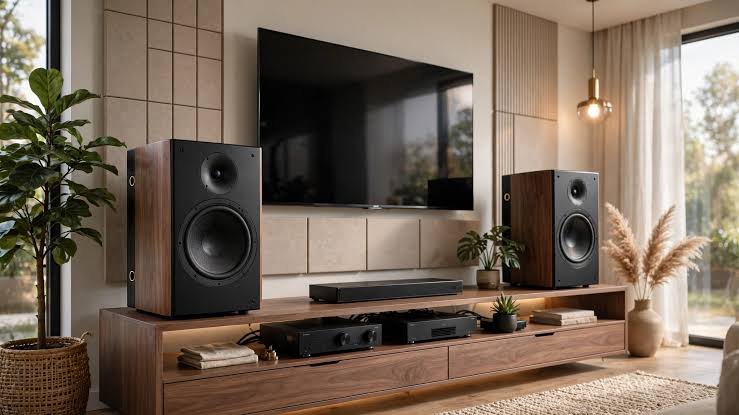
The term site TheSoundsTour generally refers to TheSoundsTour.com, a content-based website covering audio equipment and related technology. According to the homepage, its creator is Elena, who describes herself as an audio enthusiast and content creator with an interest in speakers, soundbars, headphones, sound design, and music production. The website states that its mission is to help people make better decisions when purchasing audio equipment. (Thesoundstour)her than operating as an online audio store, the platform mainly functions as an educational blog. Visitors can read articles, comparisons, explanations, buying guides, and practical tips. This means readers should view the website as a starting point for research rather than as an official manufacturer, technical testing laboratory, or direct seller.
The platform appears to serve both beginners and experienced audio users. A beginner may visit to understand basic speaker terminology, while a more knowledgeable reader may use it to compare products, explore sound-system configurations, or learn about specialized categories such as motorcycle speakers.
| Website Detail | Available Information |
| Primary website type | Informational blog |
| Main subject | Audio equipment and sound technology |
| Common topics | Speakers, soundbars, headphones, setup guides |
| Intended audience | Beginners, buyers, hobbyists, and audio enthusiasts |
| Main content purpose | Education, comparison, and purchase research |
| Named creator | Elena |
| Direct product sales | Not presented as the website’s main function |
The Main Purpose of Site TheSoundsTour

The central purpose of site TheSouhttps://thesoundstour.com/ndsTour is to simplify audio-related decisions. Audio technology includes many technical terms, such as impedance, sensitivity, wattage, frequency response, Bluetooth codecs, active amplification, passive speakers, surround channels, and signal processing. These terms can confuse shoppers who simply want a system that sounds good and works with their existing equipment.
A useful audio guide translates technical information into practical questions. Will the speaker be loud enough for the room? Does the soundbar support the television’s connections? Can an amplifier safely power a particular speaker? Is a portable Bluetooth model appropriate for outdoor use? These are the kinds of questions an informational audio website should help answer.
The website’s stated focus includes reviews, tips, guides, and information about different audio products. Its homepage also presents dedicated sections for speaker reviews, audio guides, buying advice, and practical sound information. (Thesoundstour) users, the value comes from reducing confusion. Instead of comparing technical specification sheets without context, readers can learn which features may matter for their specific listening habits, available space, device compatibility, and budget.
Content Categories Available on the Website
Visitors exploring site TheSoundsTour can access several categories from the main navigation. The visible menu includes Home, How To, Tips and Tricks, Motorcycle Speakers, Buying Guides, Speakers, About, and Contact Us. These categories indicate that the platform was designed around a mixture of educational content, product-focused research, and problem-solving articles. (Thesoundstour) Speakers category is likely to interest readers comparing sound systems or learning about different speaker types. The Buying Guides section can support people who have not yet chosen a product. How To articles are more relevant to users who already own equipment and need setup or troubleshooting assistance.
Motorcycle Speakers is a more specialized category. Audio equipment used on a motorcycle faces different challenges from equipment used at home. Wind, engine noise, weather exposure, installation space, power availability, and road vibration can all affect performance. A dedicated category may therefore be valuable for riders who need more specific guidance.
| Category | Likely Reader Intent | Potential Value |
| Speakers | Researching speaker types and models | Understanding features and applications |
| Buying Guides | Preparing to purchase equipment | Comparing options before spending |
| How To | Solving a setup or usage problem | Receiving practical instructions |
| Tips and Tricks | Improving an existing system | Discovering simple performance improvements |
| Motorcycle Speakers | Researching vehicle-specific audio | Learning about installation and durability |
| About | Evaluating the website and creator | Understanding the platform’s background |
| Contact Us | Communicating with the website | Asking questions or providing feedback |
Understanding the Search Intent Behind Site TheSoundsTour
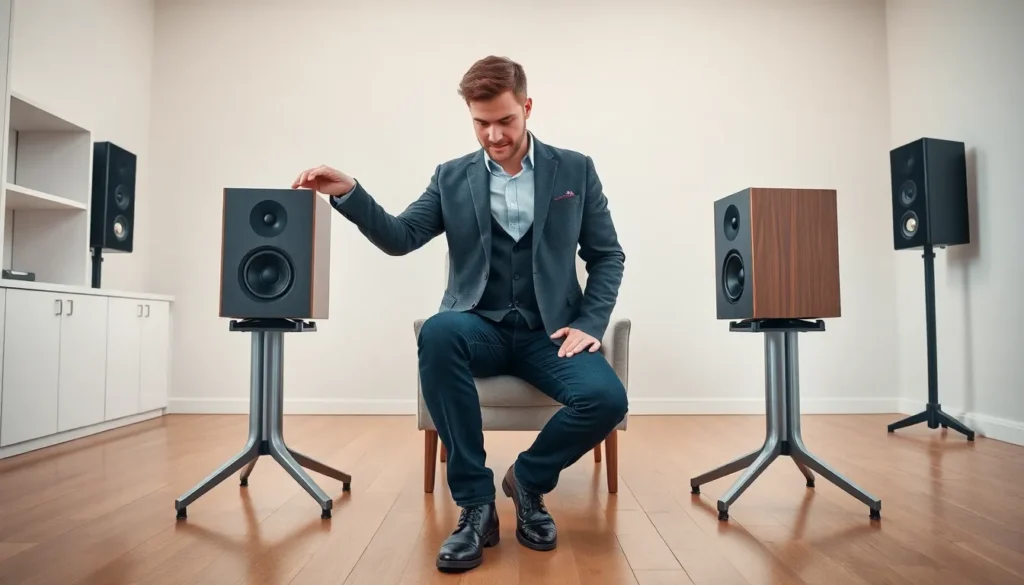
People who search for site TheSoundsTour do not always have the same goal. The phrase has navigational, informational, and potentially transactional intent. Understanding those differences makes it easier to provide useful content and helps readers find the correct part of the platform.
Navigational intent means the user already knows the name but cannot remember the full web address. Such a person may simply want to reach TheSoundsTour.com. Informational intent is broader. The searcher may be asking what the website is, who runs it, what topics it covers, or whether its guides are useful.
Transactional intent does not necessarily mean purchasing directly from the website. Instead, a visitor may be researching a speaker, soundbar, amplifier, or headphone model before buying it from another retailer. In that situation, the platform can influence a purchase by explaining features, comparisons, advantages, limitations, and compatibility.
Some users may also confuse TheSoundsTour with a concert-tour website or information about a music group. The name sounds related to live music, but the website presents itself primarily as an audio content platform rather than an official concert-ticketing service. (Thesoundstour)Speaker Reviews and Audio Comparisons
One of the most useful potential functions of site TheSoundsTour is helping readers compare speakers. Speaker selection is rarely as simple as choosing the product with the highest wattage or the largest driver. Sound performance depends on design, placement, amplification, room acoustics, source quality, and the listener’s preferences.
A person who enjoys heavy bass may prefer a different system from someone who listens mainly to podcasts, classical music, or spoken television programs. Similarly, a compact desktop speaker is designed for a different purpose from a large public-address cabinet or home-theater floor-standing speaker.
Good comparison content should explain differences in real-world terms. It should discuss who each product is designed for, what equipment it requires, where it works best, and what compromises the buyer may need to accept. Price should be considered alongside durability, connectivity, warranty, upgrade possibilities, and long-term usefulness.
Readers should still verify important specifications on the manufacturer’s official product page. Independent guides can make technical information easier to understand, but official documentation remains the best source for current compatibility details, safety instructions, warranty terms, and model-specific measurements.
Buying Guides and Their Practical Value
A buying guide on site TheSoundsTour can be useful when a reader knows the type of product needed but has not selected a specific model. For example, someone may know they need a soundbar but remain uncertain about channel configuration, subwoofer options, HDMI eARC, room size, dialogue clarity, and surround-sound support.
The best buying guides begin with the user’s situation rather than with a list of products. A small bedroom, a large living room, a motorcycle, an outdoor gathering, and a home studio all require different audio solutions. Recommendations become more meaningful when the guide explains the environment for which each option is appropriate.
Budget also deserves careful consideration. The cheapest system may lack important features, while the most expensive option may include technology the user will never use. A well-written guide should help readers identify the point at which additional spending stops producing meaningful value for their particular needs.
When using a buying guide, readers should check its publication or update date. Audio models, prices, software features, and product availability can change. A guide may still explain useful principles even when particular models are no longer widely available, but current purchasing decisions require current verification.
How-To Content and Troubleshooting Support
Another important part of site TheSoundsTour is its how-to content. Audio problems often result from installation mistakes, incorrect settings, incompatible connections, poor positioning, damaged cables, outdated software, or misunderstandings about how different components communicate.
A practical guide may help a user connect a soundbar, pair a Bluetooth speaker, place a subwoofer, balance channel levels, reduce unwanted vibration, or identify why a system is producing no sound. Clear instructions can save time and prevent unnecessary product returns.
Nevertheless, readers should be cautious when dealing with electrical wiring, internal repairs, vehicle installations, or high-powered equipment. General online guidance cannot account for every product, building, vehicle, or safety condition. Manufacturer manuals and qualified technicians should be consulted whenever a task involves electrical risk, permanent modification, or uncertainty.
The most trustworthy how-to content explains both the steps and the limitations. It should identify situations in which the reader can safely continue and situations in which professional assistance is the better choice.
Tips and Tricks for Improving Sound Quality
People often visit site TheSoundsTour because they want better audio without replacing all their equipment. In many cases, positioning and configuration can improve sound more than an immediate upgrade.
Speakers placed too close to walls may produce excessive or uneven bass. A soundbar hidden inside a cabinet may lose clarity. A subwoofer placed at one point in a room may sound powerful, while the same subwoofer placed elsewhere may appear weak. Hard surfaces can create reflections, whereas rugs, curtains, furniture, and acoustic treatment can change how sound behaves.
Volume settings also matter. Increasing every bass or treble control does not automatically improve quality. Extreme adjustments can make music tiring, reduce speech clarity, or create distortion. Starting with neutral settings and making small changes is usually more effective.
Readers should remember that sound preference is personal. A technically accurate system may not match every listener’s taste. Useful tips should therefore provide a safe starting point while leaving room for experimentation based on the room, content, and individual hearing preferences.
Motorcycle Speaker Information
The motorcycle-audio category makes site TheSoundsTour more specialized than a general consumer-electronics blog. Motorcycle speakers must operate in an environment where ordinary home speakers would be unsuitable.
Weather resistance is important because the equipment may be exposed to moisture, dust, heat, and changing temperatures. Mounting security matters because vibration and road movement can loosen poorly installed components. Sound output must also compete with wind and engine noise without creating unsafe distraction.
Compatibility is another major concern. Riders need to consider the motorcycle’s electrical system, available mounting space, handlebar size, amplifier requirements, Bluetooth connectivity, control accessibility, and helmet or local road-safety rules.
Online information can explain these factors, but users should confirm the instructions for their exact motorcycle and audio model. Poor wiring may damage the equipment or place unnecessary strain on the vehicle’s electrical system. Installation should be completed by a competent person when the rider does not have the required technical experience.
Website Navigation and User Experience
The navigation of site TheSoundsTour gives visitors several direct entry points based on their purpose. Someone researching a purchase can open Buying Guides, while someone experiencing a problem can begin with How To or Tips and Tricks. The About and Contact pages also provide routes for learning about the platform and reaching its team. (Thesoundstour)earch function is visible on the website, which can help users locate information about a specific brand, product type, or technical problem. (Thesoundstour)ead of browsing every category, a visitor can search using focused phrases such as “Bluetooth speaker,” “soundbar connection,” “motorcycle audio,” or “speaker placement.”
The homepage contains a large collection of articles and editor-selected content. However, readers may notice that some recent posts extend beyond the platform’s original audio focus, covering subjects such as digital technology, gaming, regional business, and online entertainment. (Thesoundstour)g the category menu or search feature may therefore provide a more efficient experience than relying only on the newest-post feed.
Evaluating Content Quality and E-E-A-T
Readers researching site TheSoundsTour should evaluate its content using the same standards applied to any independent information website. Google’s E-E-A-T concept refers to experience, expertise, authoritativeness, and trustworthiness. For a reader, these ideas provide a practical method for deciding how much confidence to place in an article.
Experience can be demonstrated through original testing, installation examples, measurements, photographs, or detailed observations. Expertise appears when technical concepts are explained accurately and limitations are acknowledged. Authoritativeness becomes stronger when the writer has a clear background and supports important claims with reliable sources.
Trustworthiness is especially important in buying content. Readers should be able to distinguish between editorial advice, sponsored material, and affiliate recommendations. Product availability, prices, and specifications should be checked against current retailer and manufacturer information.
The website’s homepage says Elena has more than ten years of audio-industry experience and has worked with names in music production and engineering. It also mentions research, experimentation, and sound-design workshops. These are claims presented by the website itself and should be understood as self-reported information unless independently verified. (Thesoundstour)How to Use Site TheSoundsTour Responsibly
The best way to use site TheSoundsTour is as one part of a broader research process. Start by identifying the exact problem you want to solve. A search for the “best speaker” is too broad because the right choice depends on room size, listening distance, music preferences, existing equipment, portability needs, and budget.
After reading an article, write down the features that appear relevant to your situation. Then compare those details with the official manufacturer specifications. Check connection types, dimensions, power requirements, included accessories, warranty coverage, software support, and regional availability.
It is also helpful to compare more than one independent source. Different reviewers may focus on different aspects of the same product. One may prioritize bass output, another may evaluate dialogue clarity, and another may examine build quality or app reliability.
Finally, look at recent owner feedback, but do not treat every review as equally reliable. Some problems may result from incorrect setup, shipping damage, or unrealistic expectations. Patterns across many detailed reviews are generally more useful than isolated praise or criticism.
Who Can Benefit From the Website?
The audience for site TheSoundsTour includes first-time buyers, home-entertainment users, music listeners, motorcycle owners, content creators, and people trying to solve everyday audio problems.
A beginner may benefit from simple explanations of speaker types and connections. A home-theater user may find guidance about soundbars, subwoofers, surround channels, and room placement. A rider may use the motorcycle-audio section to understand weather resistance, mounting, and power requirements.
The website may also help people preparing questions before visiting a store or contacting an installer. Even when an article does not provide the final answer, it can teach readers the terminology needed to communicate clearly with a retailer or technician.
More experienced users may find value in comparison topics and specialized guides, although they should look for evidence such as measurements, testing conditions, product documentation, and detailed methodology before accepting strong technical conclusions.
My Opinion About Site TheSoundsTour
In my opinion, site TheSoundsTour has a useful foundation because audio equipment is an area where buyers genuinely need clear explanations. Many shoppers understand what they want to hear but do not understand how specifications, room conditions, connections, and system components work together.
I particularly like the idea of separating content into buying guides, practical tips, how-to articles, general speaker information, and motorcycle audio. That structure can help different readers move toward the information that matches their immediate problem.
At the same time, the platform would feel more focused and trustworthy if its newest content remained closely connected to audio, sound technology, speakers, music production, and listening experiences. The current homepage includes some articles that appear unrelated to its original audio mission. (Thesoundstour)ghter editorial direction would make it easier for first-time visitors to understand the website’s expertise.
Overall, I would use the platform for initial research and practical ideas, but I would still confirm product details through official documentation and additional independent sources before making an expensive purchase.
Trust, Accuracy, and Reader Safety
Trust is an essential consideration when using site TheSoundsTour or any other product-information platform. Audio products can be expensive, and incorrect advice may lead to wasted money, damaged equipment, poor compatibility, or unsafe installation.
Readers should be cautious when an article makes a strong recommendation without explaining testing conditions or selection criteria. Phrases such as “best overall” only become meaningful when the comparison group, budget range, intended use, and evaluation method are clear.
Publication dates matter because firmware updates, discontinued models, revised hardware, and changing prices may affect a recommendation. An older article can still contain useful educational information, but its purchasing advice may require fresh verification.
Safety deserves special attention in amplifier wiring, motorcycle installations, in-wall speakers, electrical repairs, and high-volume listening. Long exposure to excessive volume can be harmful, while incorrect installation can damage equipment or create electrical risks. Responsible content should encourage safe listening and professional help when necessary.
The Future Potential of the Platform
The long-term value of site TheSoundsTour will depend on how clearly it defines and maintains its editorial identity. The strongest opportunity is to become a focused resource for practical audio education rather than a general website covering many unrelated subjects.
Original testing could significantly strengthen the platform. Measurements, listening conditions, room dimensions, photographs, setup diagrams, and transparent comparison methods would help readers understand how conclusions were reached. Regularly updated buying guides would also improve usefulness as models and technologies change.
The platform could further develop beginner-friendly learning paths. A reader could move from basic concepts to speaker selection, amplifier matching, room setup, calibration, maintenance, and future upgrades without feeling overwhelmed.
Clear author profiles, editorial standards, correction policies, affiliate disclosures, source references, and update dates would support trust. These additions would not only help search visibility but also make the website more useful to readers making real purchasing decisions.
Conclusion
The phrase site TheSoundsTour points readers toward an informational website focused mainly on speakers, soundbars, headphones, buying guides, how-to articles, audio tips, and motorcycle sound systems. Its core value is the ability to make audio technology easier to understand for people who may not have professional technical knowledge.
The website can be helpful for discovering product categories, learning important terminology, comparing possible solutions, and improving an existing setup. Its visible navigation provides sections for speakers, buying guides, troubleshooting, practical tips, motorcycle audio, background information, and contact details. (Thesoundstour)ders should still approach every recommendation carefully. Important specifications should be verified through official manufacturer documentation, while expensive purchases should be researched across multiple reliable sources. Technical installations should follow model-specific safety instructions and, where necessary, be completed by a qualified installer.
Used responsibly, site TheSoundsTour can serve as a useful starting point for understanding audio equipment and making more informed sound-system decisions.
Frequently Asked Questions About Site TheSoundsTour
What is site TheSoundsTour mainly about?
Site TheSoundsTour is primarily an informational audio website. It publishes content related to speakers, soundbars, headphones, buying guides, audio tips, setup instructions, and motorcycle sound systems. Its homepage describes the platform as a resource intended to help readers make informed audio-equipment decisions. (Thesoundstour) Is TheSoundsTour an online audio store?
The website appears to function mainly as a content and information platform rather than a direct online audio store. Readers can use its articles for research, but they may need to visit manufacturers or retailers to confirm prices, availability, warranties, and purchasing options.
Who is behind TheSoundsTour?
The website identifies its creator as Elena, who describes herself as an audio enthusiast and content creator. The homepage states that she produces reviews, tips, guides, and educational content about sound equipment. (Thesoundstour) Can I trust the buying guides on TheSoundsTour?
The guides may be helpful as a starting point, but readers should verify specifications and compatibility through official manufacturer sources. It is also sensible to compare recommendations with recent independent reviews before making a significant purchase.
Does TheSoundsTour cover motorcycle speakers?
Yes. Motorcycle Speakers appears as a dedicated category in the website’s main navigation. The category is intended for readers researching audio systems designed for motorcycles and similar installation environments and more.
